Why AC Coils Freeze in Summer Heat
It is the peak of the muggy season here in Covington, and your air conditioner has been running continuously to keep your home cool and comfortable. But suddenly, you notice the airflow feels weak, and worse, the vents are blowing warm air. When you check your indoor unit, you find it encased in a thick block of ice. Finding your AC coils frozen during the hottest part of the year is a frustrating and stressful experience for any homeowner.\n\nIf you are wondering why your air conditioner is freezing up in summer, you are not alone. It is a very common problem, especially when our HVAC systems are working overtime to handle extreme humidity. When your equipment fails to manage the moisture and heat efficiently, it disrupts the delicate balance required for the cooling cycle. Let's break down exactly what causes this icy issue in your home, how to troubleshoot frozen ac coils in high humidity, and what you can do to prevent it from happening again.
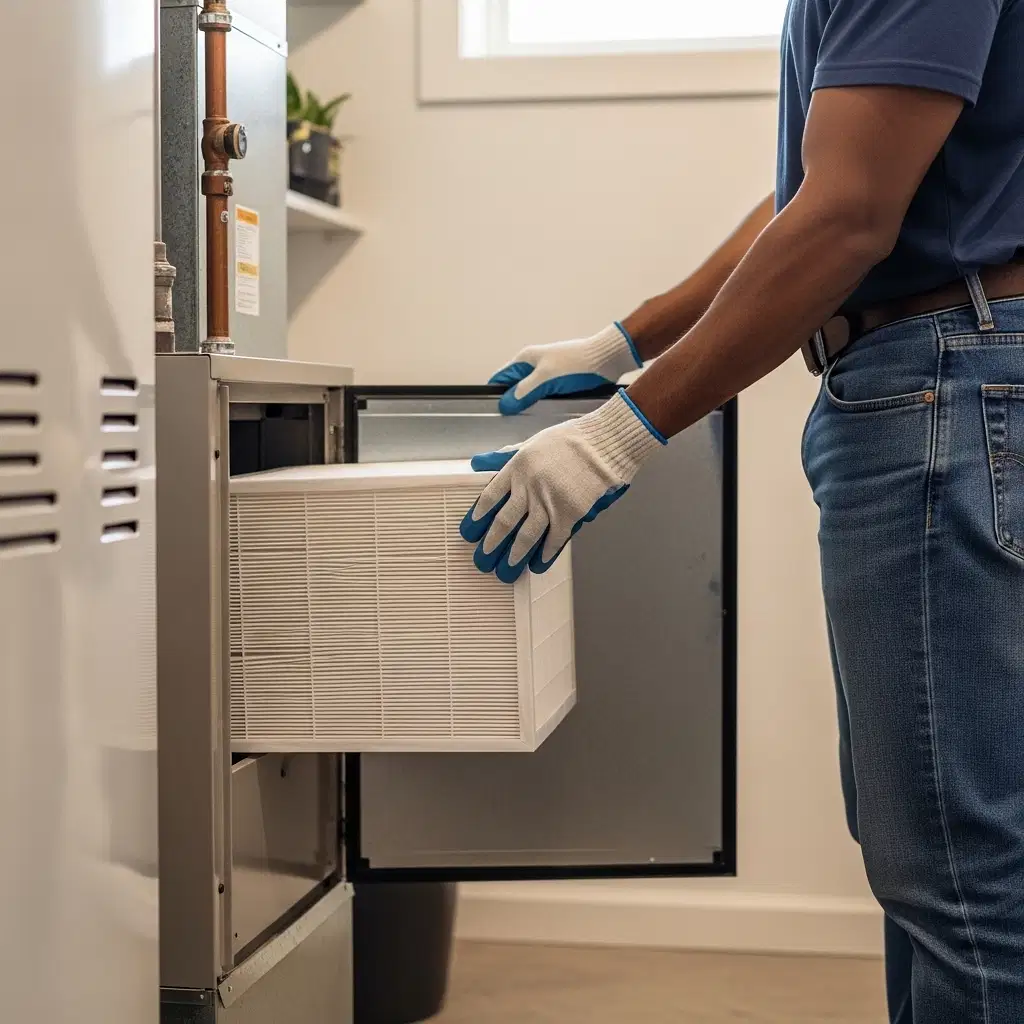
The Most Common Culprits Behind Frozen Coils\n\nTo understand why ice forms on your air conditioner, it helps to know how the system cools your home. Your AC doesn't just pump cold air inside; it removes heat and moisture from the indoor air. The indoor evaporator coil absorbs this heat. If something disrupts this heat-absorption process, the temperature of the coil drops rapidly below freezing, and the condensation that naturally forms on it turns to ice.\n\n### Restricted Airflow\n\nThe most frequent reason we see for this problem is poor airflow. When warm air cannot blow over the evaporator coil properly, the coil gets too cold. There are a few common household issues that restrict airflow:\n\n* Clogged air filters: A dirty filter acts like a thick wall, blocking essential air from reaching the system. If your system has to fight to pull air in, the coils will inevitably freeze.\n* Blocked return vents: Heavy furniture or thick rugs placed over your vents can starve your system of the air it needs to breathe.\n* Dirty coils: Over time, household dust, pollen, and pet hair can coat the coil itself, insulating it from the warm air it needs to absorb.\n\nChecking and changing your air filter should always be your very first step when looking for the cause of a freeze-up.
Low Refrigerant Levels\n\nYour air conditioning system relies on a very specific amount of refrigerant to absorb and release heat. If there is a leak in the lines, the pressure inside the system drops. This drop in pressure causes the temperature of the remaining refrigerant to plummet, quickly freezing the surrounding moisture on the coils. If your system is low on refrigerant, it will constantly struggle to cool your home, running longer cycles and leading to surprisingly high monthly utility bills.\n\nIt is important to note that air conditioners do not consume refrigerant like a car consumes gas. If you are low, there is a leak that a licensed professional needs to locate and repair before recharging the system. With changing industry regulations around older refrigerants like R-410A, keeping your current system sealed and leak-free is more vital than ever.\n\n### Mechanical Failures\n\nSometimes, the issue lies with the moving mechanical parts. A faulty indoor blower motor might not push enough air over the coils, or a broken electrical relay might cause the outdoor compressor to run continuously while the indoor fan turns off. In older homes, particularly those around the historic downtown areas, aging components can sometimes struggle to keep up with intense summer demands. These mechanical issues require specialized diagnostic tools to identify and resolve safely.