
Protecting Your HVAC System During Storm Season
Living on The Northshore means dealing with unpredictable weather, especially when the muggy season rolls in and afternoon thunderstorms become a daily routine. Whether it is a quick summer squall or a major tropical weather system threatening our area, your home's comfort relies heavily on a functioning air conditioning system. High winds, heavy rains, and electrical surges can easily damage your outdoor unit, leaving you sweating right when you need relief the most.
When a storm passes, the soaring humidity and heat can make your home incredibly uncomfortable in a matter of hours. At BCS Mechanical, we understand how important a reliable cooling system is for your family's health and comfort. We focus on helping local homeowners keep their residential HVAC equipment safe, resilient, and running smoothly no matter what Mother Nature throws our way. Preparing your system before the clouds roll in is the best way to prevent costly repairs and ensure your house stays cool once the sun comes back out.
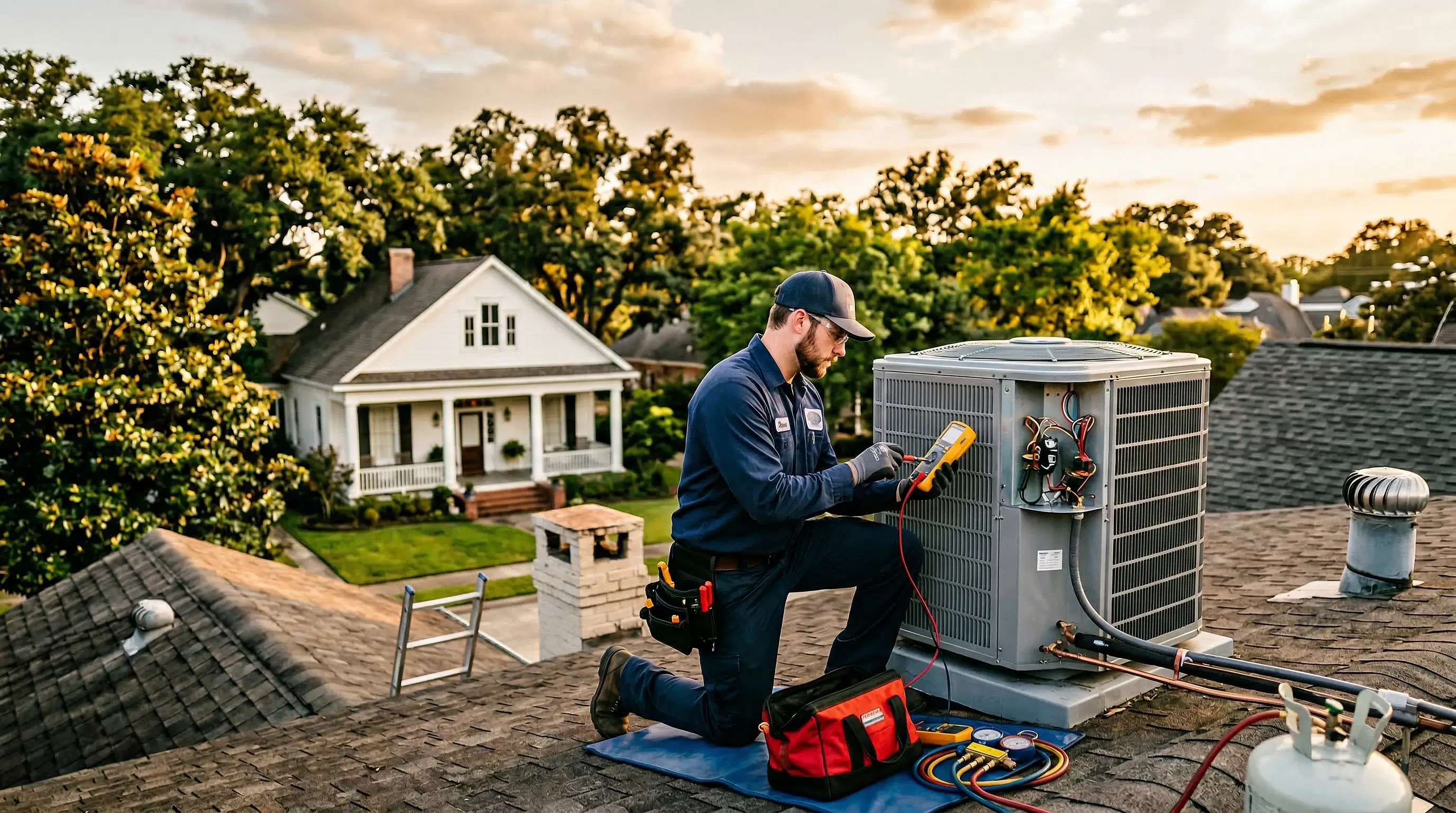
Before the Storm Hits: Preparation is Key
If severe weather is in the forecast, taking a few minutes to secure your property can save you thousands of dollars in potential repairs. Knowing how to protect an outdoor AC unit during storms is an essential skill for any Louisiana homeowner.
First, take a walk around your yard and clear the area. High winds can turn patio furniture, loose branches, and children's outdoor toys into dangerous projectiles. Make sure you clear at least a three-foot radius around your outdoor compressor. This not only protects the delicate aluminum fins from being crushed by flying debris but also ensures your system has adequate airflow when it is running.
Next, secure the unit itself. Ensure your outdoor equipment is properly bolted to its concrete pad. If you live near the Tchefuncte river or an area prone to pooling water, you might want to consult with a professional about elevating the unit to prevent floodwater from reaching the internal electrical components.
Finally, consider the unseen threats. Lightning strikes and power grid fluctuations are incredibly common during severe weather. One of the best ways to protect your investment is by learning about HVAC surge protection benefits for severe weather. Installing a whole-home surge protector is a fantastic preventative measure. These specialized devices act as a shield between your home's electrical panel and your appliances, preventing sudden electrical spikes from frying your air conditioner's sensitive control boards and motors.
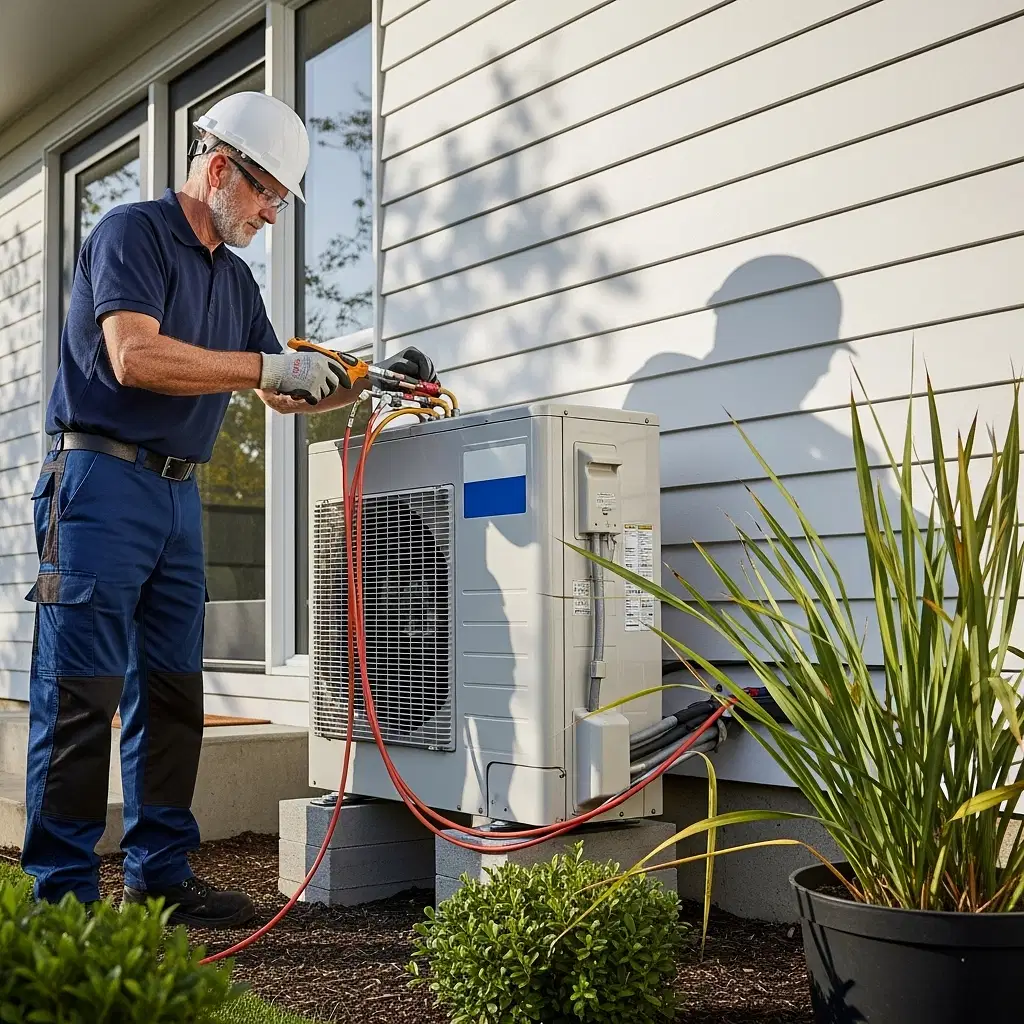
Navigating Power Outages and Post-Storm Safety
It happens to all of us during storm season: the thunder rolls in, the lights flicker, and suddenly you are left in the dark. Many people wonder what to do if the AC stops working after a power outage. If your power goes out, the absolute first thing you should do is turn off your thermostat. When the CLECO grid comes back online, there is often a massive surge of electricity that can overwhelm an air conditioning unit if it tries to turn on immediately.
Once the storm has completely passed and it is safe to go outside, you should perform a post storm HVAC inspection and safety checklist before turning your thermostat back to the cool setting.
Walk outside and do a visual inspection of your outdoor unit. Look closely for:
- Debris, leaves, or branches lodged in the top fan grilles.
- Signs of scorch marks or electrical damage near the wiring.
- Flood water or deep mud that may have reached the base of the system.
If everything looks clear and dry, go back inside and turn the system on. Pay very close attention for the first ten minutes. A frequent question we hear after severe weather is, "why is my AC blowing warm air?" Often, a minor power surge can damage the capacitor, which means the fan might spin, but the actual compressor isn't running. If you notice strange humming noises, a burning smell, or a lack of genuinely cold air coming from your vents, shut the system down completely. Forcing a damaged system to run can cause the indoor coils to freeze or permanently destroy the compressor.
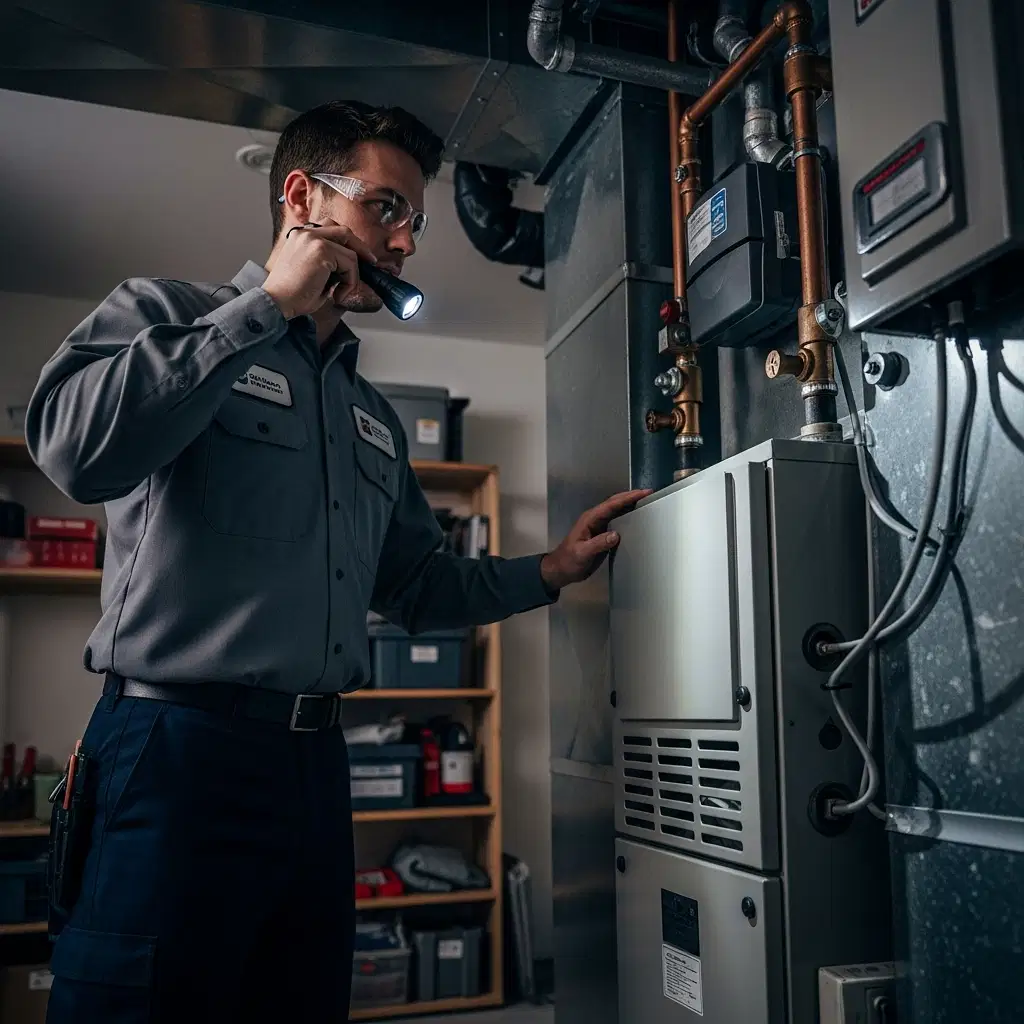
Getting Your Home Back to Normal
After a major weather event, dealing with a broken air conditioner is the last thing you want to handle. Trying to diagnose electrical failures yourself is dangerous, and waiting days for help can be miserable in the sweltering heat.
That is exactly why routine maintenance and tune-ups are so important. A well-maintained system with tightened electrical connections and clean coils is simply more resilient against the elements. Preventative care helps catch weak components before a storm's added stress pushes them to the breaking point.
If you do find yourself stuck without cool air after a storm rolls through St. Tammany Parish, you shouldn't have to wait for a repair company to travel from across the lake just to get your house comfortable again. BCS Mechanical is locally based and dedicated to providing fast, transparent service when you need it most. We offer reliable emergency and same-day service to ensure your family isn't left suffering in the humidity. If your system is struggling after a recent storm, reach out to our team today to schedule a thorough safety inspection and get your home back to the comfort you deserve.