
Don’t Sweat It: Your Guide to Beating the Muggy Louisiana Summer
Here on the Northshore, we know a thing or two about heat. It’s not just the temperature on the thermometer; it’s that thick, muggy air that settles in and makes everything feel sticky. We all know that feeling of relief when we step inside to a blast of cool, dry air. But what happens when that relief is suddenly gone? When your AC unit decides to take a break on the hottest day of the year, it’s more than an inconvenience—it’s a genuine emergency. For homeowners in Covington and the surrounding areas, a reliable air conditioner isn't a luxury, it's essential. This guide will walk you through common AC issues, the importance of tackling humidity, and how proactive care can keep you cool and comfortable all summer long.
Common Culprits When Your AC Isn't Cooling
One of the most common calls we get is, "My AC is running, but it’s not blowing cold air!" It’s a frustrating situation, but often, the cause is one of a few usual suspects. Before you panic, here are some things to consider:
- Clogged Air Filters: This is the simplest fix. A dirty filter restricts airflow, forcing your system to work harder and reducing its cooling power. We recommend checking your filter monthly during peak summer usage.
- Dirty Coils: Your AC unit has two sets of coils—evaporator coils inside and condenser coils outside. Over time, they collect dirt, dust, and debris. In our humid climate, this buildup can happen quickly, acting like an unwanted blanket that prevents the system from effectively cooling your home.
- Low Refrigerant: Refrigerant is the lifeblood of your air conditioner. If you have a leak, your system won't be able to cool properly. This isn't a DIY fix; it requires a certified technician to find and repair the leak and then recharge the system safely.
- Thermostat Malfunctions: Sometimes the problem is with the brain, not the brawn. Your thermostat might be miscalibrated, have dead batteries, or be wired incorrectly. A quick check of the settings and batteries is a good first step.
If you've checked the basics and are still sweating it out, it’s time to call in the professionals. Continuing to run a malfunctioning unit can cause more significant and costly damage. Our team is experienced in diagnosing these issues quickly to get your home comfortable again. You can learn more about our approach to air conditioning repair.
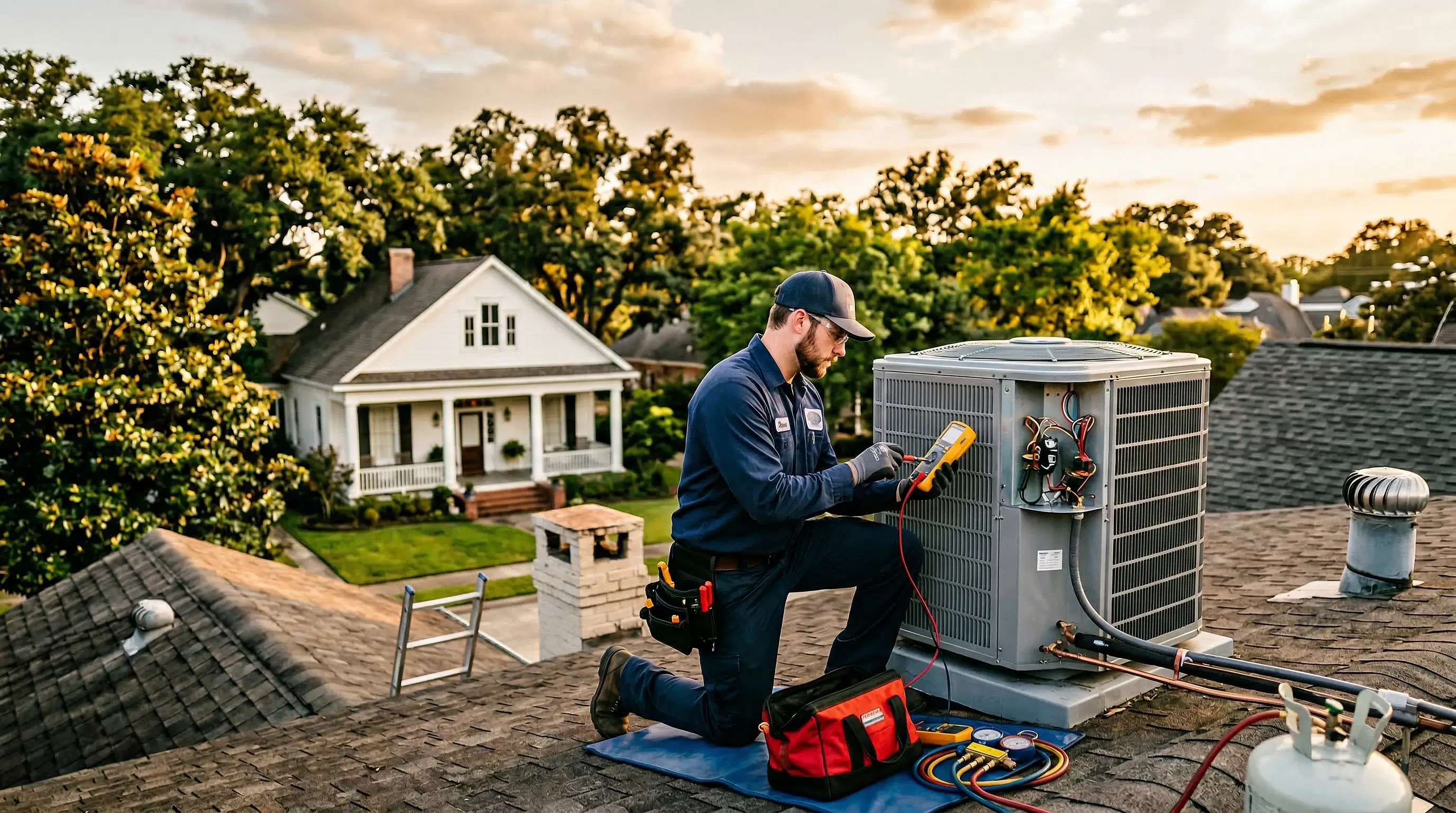
It’s Not Just the Heat, It’s the Humidity
We’ve all said it: that heavy, sticky feeling in the air is what makes Louisiana summers so challenging. High humidity doesn't just make you feel hotter; it also makes your air conditioner's job much harder. A standard AC unit removes some moisture from the air as a byproduct of cooling, but when humidity levels are consistently high, it can struggle to keep up. This is where focusing on indoor air quality becomes a game-changer.
Modern HVAC solutions now include whole-home dehumidifiers that integrate directly with your existing system. These systems are designed specifically to tackle the oppressive humidity we experience, offering several key benefits:
- Enhanced Comfort: By removing excess moisture, you'll feel cooler at a higher thermostat setting. This means you can save money on energy bills without sacrificing comfort.
- Reduced Strain on Your AC: When a dedicated dehumidifier handles the moisture, your AC can focus solely on cooling. This reduces wear and tear, potentially extending the lifespan of your unit.
- Healthier Indoor Air: High humidity is a breeding ground for mold, mildew, and dust mites. Controlling moisture levels helps protect your home and your family's respiratory health.
Improving your home's air is a core part of a comprehensive residential HVAC strategy, ensuring your home is a true sanctuary from the outdoor elements.
Proactive Care: The Secret to a Stress-Free Summer
Nobody wants to deal with an air conditioner breakdown in the middle of July. The best way to avoid unexpected failures is through regular, professional maintenance. Think of it like changing the oil in your car; it’s a small investment that prevents major problems down the road. An annual tune-up ensures your system is running at peak efficiency and allows a technician to spot potential issues before they become full-blown emergencies.
A typical maintenance visit should include:
- Cleaning the condenser and evaporator coils
- Checking refrigerant levels and pressures
- Inspecting and tightening all electrical connections
- Lubricating moving parts like motors and bearings
- Clearing the condensate drain line to prevent clogs and water damage
- Calibrating the thermostat for accurate performance
Scheduling routine maintenance and tune-ups not only gives you peace of mind but also helps lower your energy bills and extends the life of your equipment. It’s the most effective way to ensure your AC unit is ready to handle whatever the summer throws at it.
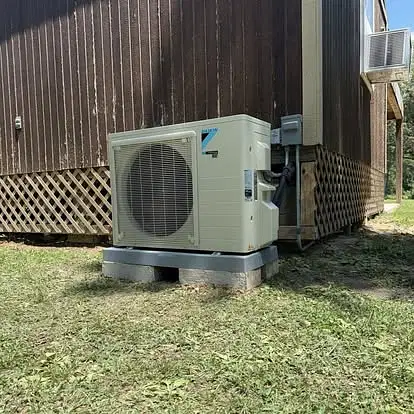
Warning Signs You Shouldn't Ignore
Your HVAC system will often give you clues that something is wrong before it fails completely. Paying attention to these warning signs can help you avoid a costly emergency repair. If you notice any of the following, it's a good idea to get your unit checked out:
- Strange Noises: Banging, clanking, or squealing sounds are not normal. They can indicate a loose part or a failing motor.
- Foul Odors: A musty smell could mean mold in your ductwork, while a burning smell might signal an electrical problem.
- Weak Airflow: If the air coming from your vents feels weak, you could have a clogged filter, a failing blower motor, or blocked ductwork.
- Frequent Cycling: Does your AC turn on and off every few minutes? This could be a sign of an oversized system, a thermostat issue, or a refrigerant charge problem.
- Visible Moisture: Puddles of water or ice forming on your unit are clear indicators of a problem, often related to a refrigerant leak or a clogged drain line.
Ignoring these signs can lead to a complete system breakdown, often when you need it most. If you're experiencing an urgent issue, don't hesitate to seek out emergency and same-day service to prevent further damage.
Stay Cool with a Team You Can Trust
That Louisiana summer heat is a formidable opponent, but you don't have to face it alone. Understanding the common signs of trouble and committing to proactive maintenance are the best ways to ensure your home remains a cool, comfortable retreat. For our neighbors here in Covington and across the Northshore, BCS Mechanical is ready to help y'all with any HVAC needs.
Whether you need a routine tune-up, an emergency repair, or advice on improving your home's air quality, our team of certified technicians is here to provide reliable service and lasting solutions. Don't wait for the heat to win. Contact us today to schedule your service and enjoy a worry-free summer.