
Choosing Between Heat Pumps and Furnaces for Your Louisiana Home
Living on The Northshore comes with plenty of perks, but predictable weather isn't one of them. While we spend most of our year figuring out how to beat the heat and control humidity during the muggy season, we still have to prepare for the occasional winter cold snap. When the temperature suddenly drops and a hard freeze hits our area, having a reliable heating system is just as crucial as a solid air conditioner.
For many homeowners, the big question is whether to rely on a traditional gas furnace or switch to a modern heat pump. If your current system is getting older and struggling to keep up, you might be weighing your options and wondering what makes the most sense for our specific climate. Let's break down how each system works, how they handle our unique weather patterns, and which one might be the right fit for your home.
Why Heat Pumps Make Sense Down South
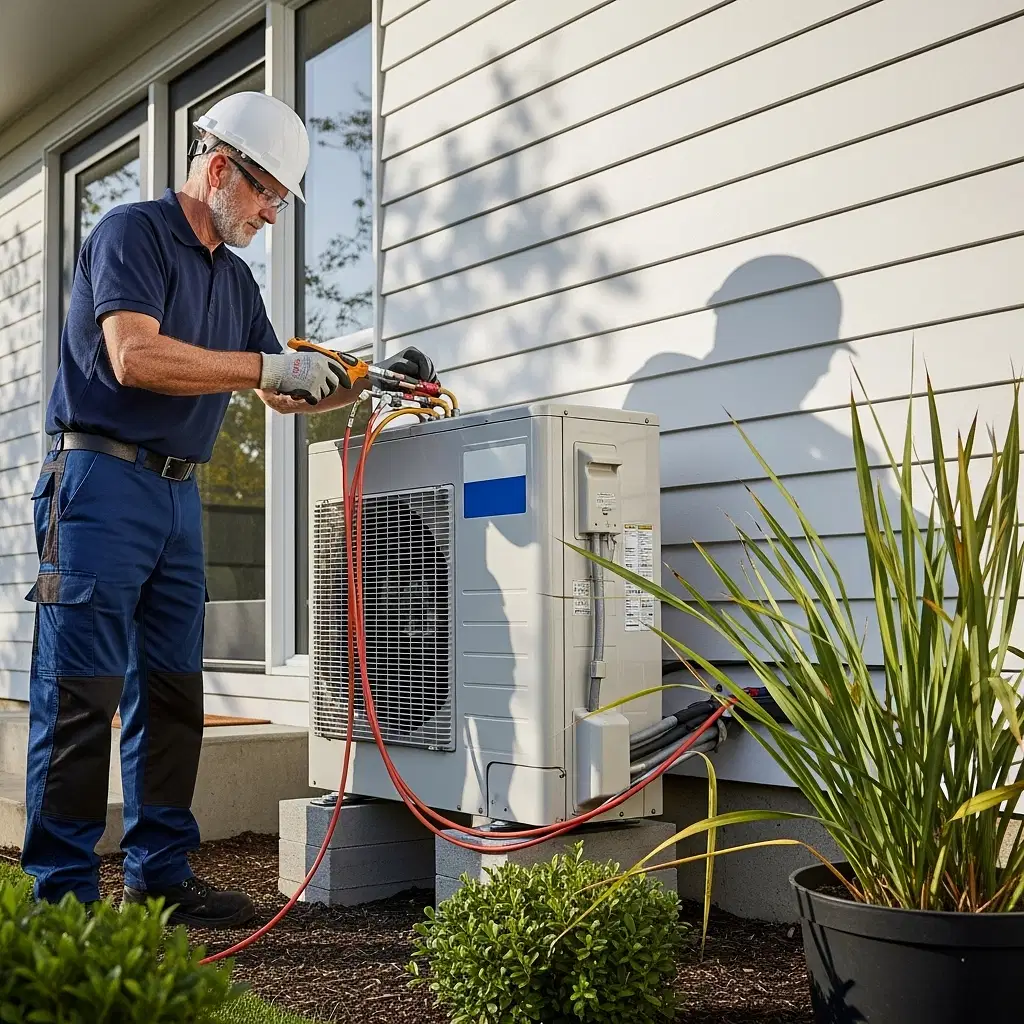
When we talk about the best heating system for mild southern winters, heat pumps are usually at the top of the conversation. Unlike a traditional furnace that burns fuel to create heat, a heat pump simply moves heat from one place to another. During the summer, it acts exactly like an air conditioner by pulling heat out of your home. In the winter, it reverses the process, extracting ambient heat from the outside air and bringing it indoors.
Because they don't generate heat from scratch, heat pumps are incredibly energy efficient. This is a huge advantage if you are looking to lower your high monthly utility bills with CLECO. With the recent industry push toward better energy efficiency, modern heat pumps meet stringent SEER2 standards, meaning they use significantly less electricity to keep you comfortable year-round. Plus, upgrading to a high-efficiency heat pump often qualifies homeowners for substantial federal tax credits under the Inflation Reduction Act, making the upfront investment much more manageable for your family budget.
One of the most common questions we hear is, should I convert gas furnace to heat pump? For many families in our area, the answer is a resounding yes. Since our winters rarely stay below freezing for long periods, a heat pump can comfortably handle the heating load while providing excellent humidity control when summer rolls back around. If you are considering system replacements in the near future, a heat pump offers a fantastic all-in-one solution that takes care of both heating and cooling.

The Case for Traditional Gas Furnaces
While heat pumps are fantastic, gas furnaces still hold a strong place in Louisiana homes. If your home already has gas lines installed, a furnace provides a powerful and reliable way to heat your house quickly. When that unpredictable deep freeze hits, a gas furnace delivers hot air at a much higher temperature than a heat pump, warming up your living space in a fraction of the time.
When comparing heat pump versus gas furnace efficiency, it is important to remember that they operate differently. A furnace will use natural gas to generate heat, which can sometimes be cheaper than electricity depending on current local rates, though heat pumps generally win on overall energy usage over the course of a full year. However, furnaces tend to have a longer lifespan because they only run for a few months out of the year, whereas a heat pump works double-duty all year long.
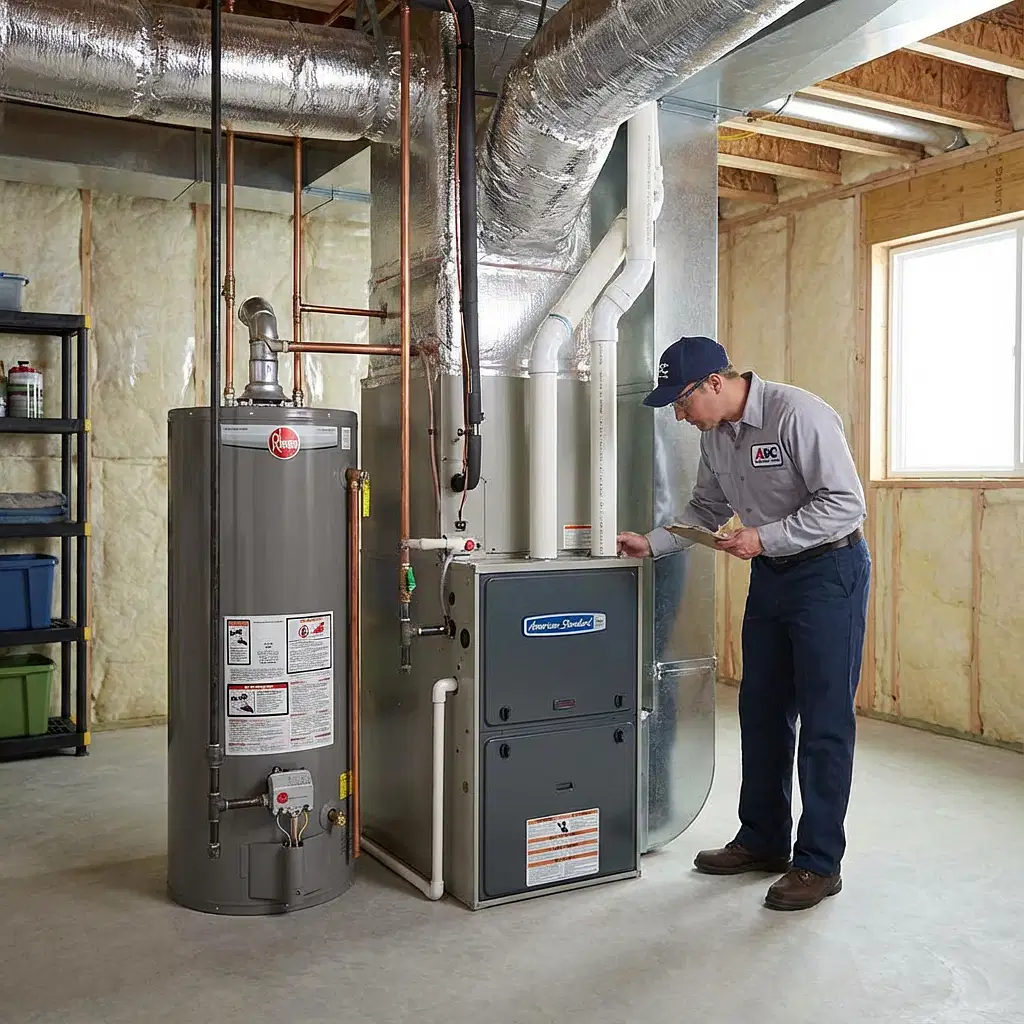
If you currently rely on gas heating and start noticing unusual noises, frequent on-and-off cycling, or a lack of warm air, it might be time to schedule a furnace repair. Regular maintenance can keep an older furnace running safely and efficiently, preventing unexpected breakdowns. On the other hand, if your unit is nearing the end of its life and repairs are adding up, a professional furnace installation ensures you get a modern, high-efficiency model that won't leave you shivering when the temperature unexpectedly drops.
Exploring Dual Fuel Systems
If you want the absolute best of both worlds, you might want to look into a dual fuel system. This setup pairs an electric heat pump with a gas furnace. When looking at dual fuel heating system pros and cons, the biggest advantage is maximum efficiency and comfort. The heat pump handles the heating during our typical mild winter days, operating at peak efficiency. But if the temperature plummets and the heat pump begins to struggle to pull warmth from the freezing air, the system automatically switches to the gas furnace to provide that intense, immediate heat.
The main drawback of a dual fuel system is the initial installation cost, as you are essentially installing two heating sources. However, with flexible financing options available to help manage upfront costs, many homeowners find that the long-term savings on their energy bills make it a highly worthwhile investment.
Making the Right Choice for Your Comfort
Deciding between a heat pump and a furnace ultimately comes down to your home's current infrastructure, your budget, and your long-term comfort goals. At BCS Mechanical, we know that every home is unique, and we are here to help you navigate these choices without any pressure or sales tactics. We prioritize your comfort and aim to provide transparent, honest recommendations tailored to your specific needs.
Whether you need an emergency repair to get your current system through the winter, or you are ready to explore your options for an energy-efficient upgrade, our experienced team is ready to help. Reach out to BCS Mechanical today, and let's make sure your home stays perfectly comfortable, no matter what the weather decides to do.